🇵🇷 PUR72FINAL75CHN 🇨🇳
22 lead changes. One last chance.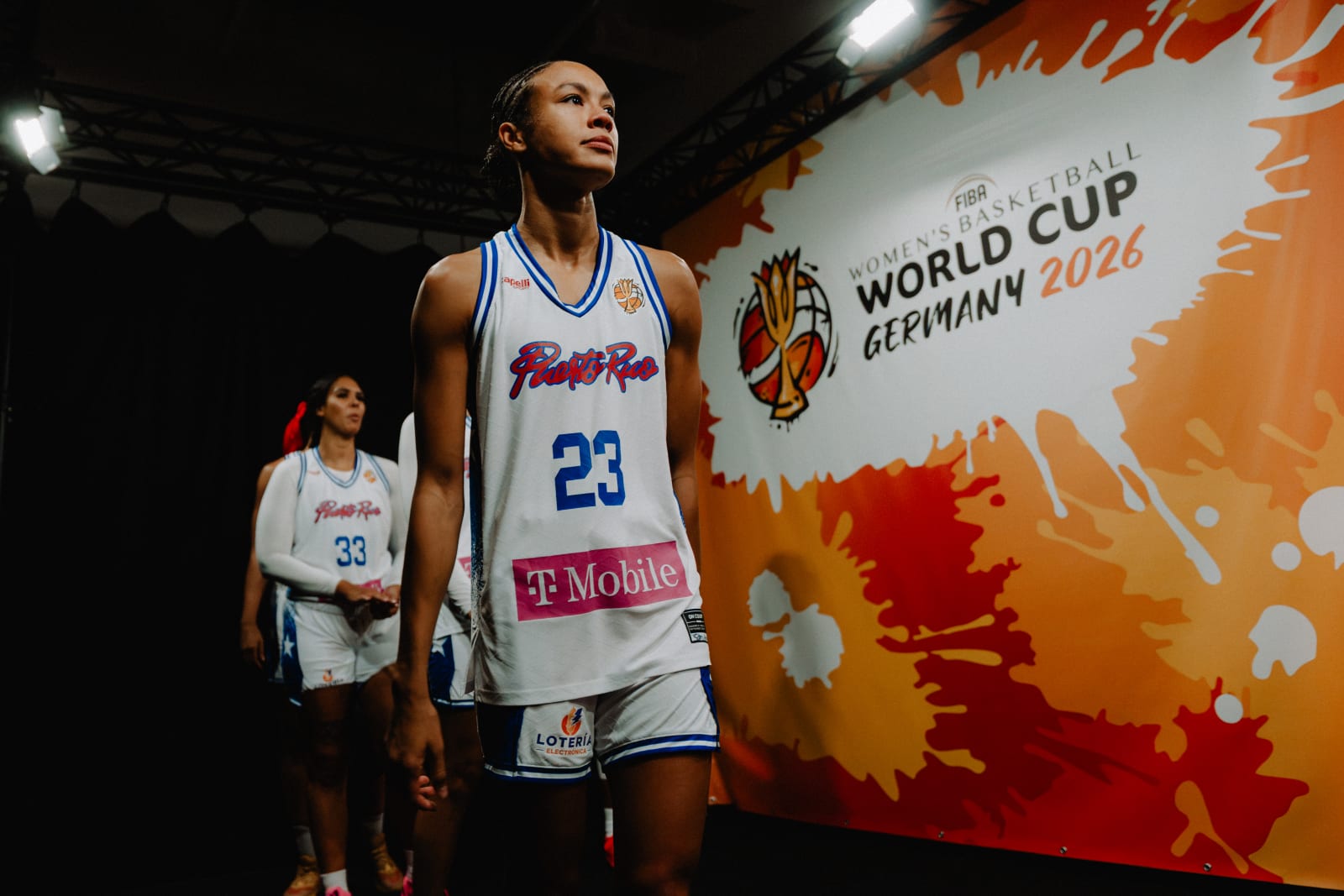
THE OPENING READ
Five points changed the entire bracket.
China survived Puerto Rico by three. Australia survived Italy by two. Both favorites advanced, but neither result felt safe until the clock finally removed the alternative.
These were not identical near upsets. Puerto Rico stayed close from the opening tip, creating a game with 22 lead changes and 10 ties. Italy spent most of the night looking buried, fell behind by 26 in the third quarter, then delivered a 31 to 13 fourth quarter that turned a runaway into a possession game.
That distinction matters. Puerto Rico lost a forty minute negotiation. Italy lost the first thirty minutes and nearly won the final ten loudly enough to erase them. In both cases, one more clean possession could have purchased five extra minutes and shifted every ounce of pressure onto the favored team.
Overtime would not have guaranteed two upsets. It would have guaranteed that China and Australia had to survive each game twice.
Two elimination games were separated by five total points.
Puerto Rico and China traded control all night.
The comeback arrived with almost no room left.
Her tournament average remains the field’s best by a mile.
PUERTO RICO 72, CHINA 75
The upset lived. The paint collected the bill.
Puerto Rico made the game uncomfortable enough to win. China made the most valuable shots inside the arc and the biggest one beyond it.
Pamela Rosado tied the game at 66 with 3:38 remaining. China answered immediately. Xu Han stepped out for a three with 2:56 left, then China completed a 6 to 0 run that created the only real separation of the closing stretch.
The deciding gap was not effort. It was two point efficiency. China shot 57.1 percent inside the arc, while Puerto Rico finished at 40.4 percent. Puerto Rico made more of its threes by percentage and shot 90 percent at the line, but China kept finding cleaner value closer to the rim.
Xu Han produced 21 points and 11 rebounds. Shuyu Yang added 15 points and 11 assists. Ziyu Zhang scored 13 points in only 9:26 and made five of six two point attempts. Puerto Rico had to solve size, touch and playmaking at the same time. That is a long defensive checklist for any team, especially one that could not afford an empty possession late.
What hurt Puerto Rico most was that its best defensive work did not always become points. Between 4:17 and 1:40, both teams committed two turnovers and neither reached the line. The game became frantic, but China’s late run supplied order. Puerto Rico created the chaos it wanted, then China found the shot it needed.
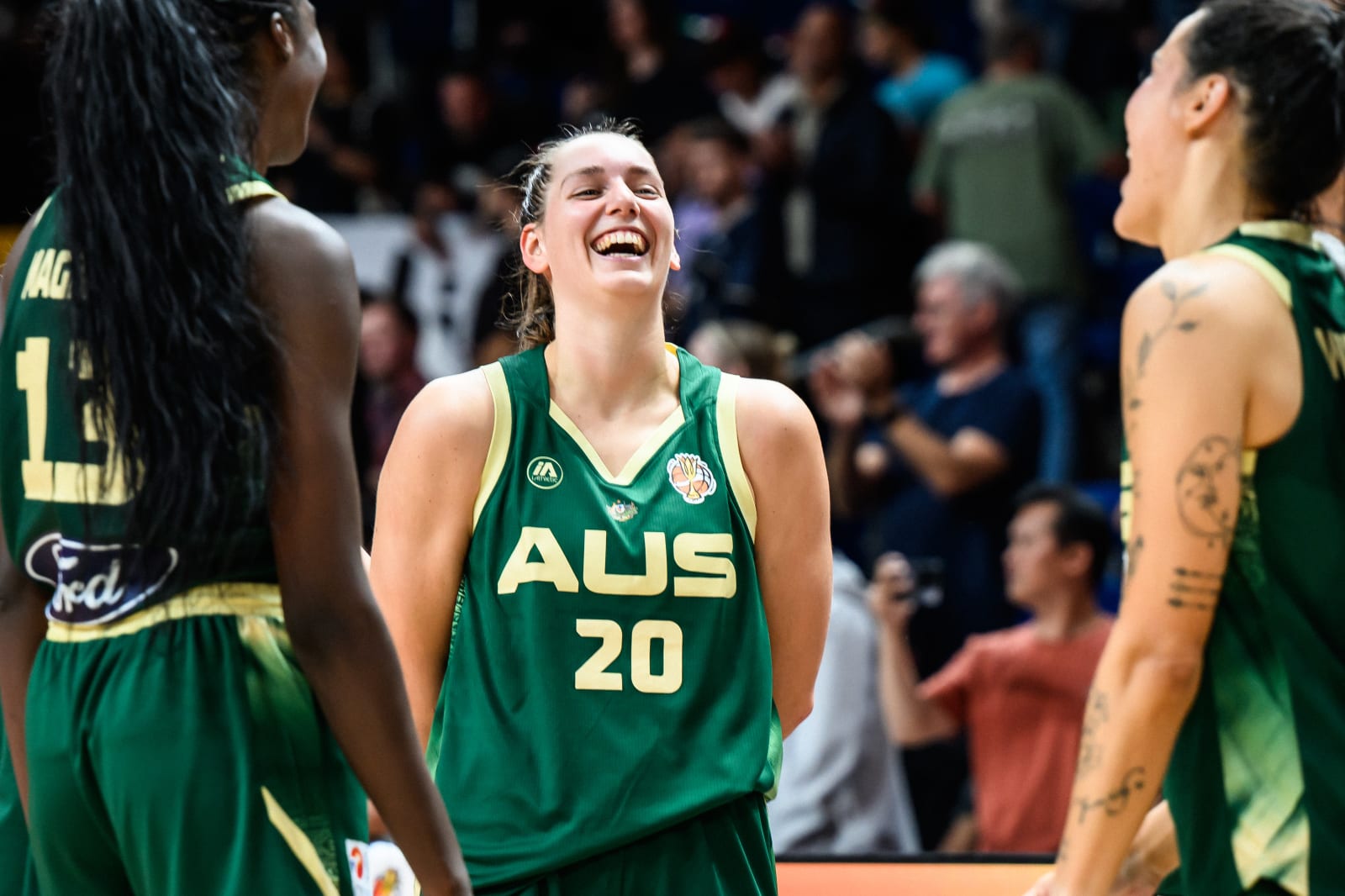
ITALY 80, AUSTRALIA 82
Italy’s comeback was real. So was the hole.
A 31 point fourth quarter can change how a game feels. It cannot refund the first three quarters.
Australia led 48 to 33 at halftime and 69 to 49 after three quarters. The Opals built a 26 point lead twice in the third. They were in front for 37:06. When a team controls that much of the night, the opponent’s margin for late error becomes microscopic.
Italy still made the impossible look available. A 10 to 0 run erased a 77 to 67 deficit. Costanza Verona’s three tied the score at 77 with 1:09 left. Italy had the crowd, the rhythm and the emotional weight of the game leaning in its direction.
Then Zitina Aokuso scored at the rim with 24 seconds remaining. That one response mattered because it forced Italy to chase the score again instead of choosing the final shot from a tie. The comeback had used nearly every available possession. Australia only needed enough composure to make the next one count.
Isobel Borlase was the reason there was still a cushion to protect. She scored 30 points, including 23 in the first half, and made 14 of 16 free throws. Italy shot 39.1 percent from three, well above Australia’s 27.3 percent, but the Opals shot 51 percent overall and 57.5 percent on twos. Italy’s defense became suffocating late. It needed to arrive much earlier.
THE FIVE MINUTES WE DID NOT GET
Overtime would have moved the pressure.
The favorites still would have had talent, size and experience. The underdogs would have owned the emotional terms of the restart.
San Antonio had become the game’s organizing force.
She was scoring, creating and turning defense into extra possessions. In overtime, China’s size would remain a major advantage, but Puerto Rico would begin those five minutes knowing it had already dragged China into exactly the kind of game it wanted.
The momentum was wearing blue.
Italy had just won the fourth quarter by 18 and erased a 26 point deficit against a short handed Australia team. The Opals had the stars to recover, but Italy would have entered overtime with the fresher confidence and the louder belief.
An almost upset is not the same as an upset. Still, these games showed exactly why the extra five minutes can feel like a new contest instead of an extension of the old one.
THE DEFENSIVE PLAYER CASE
Trinity San Antonio may have left before her argument did.
Elimination shortened her stage. It did not make the work disappear.
TOURNAMENT STEALS5.0PER GAME20 steals across four games
San Antonio’s case begins with separation. She averaged 5.0 steals per game. The next names on FIBA’s leaderboard sat at 2.7. This was not a narrow statistical lead. She nearly doubled the field while carrying a major offensive and playmaking load.
Against China, she delivered 24 points, 9 rebounds, 7 assists and 5 steals, becoming the first player since 1994 to post at least 20 points, 5 rebounds, 5 assists and 5 steals in a Women’s World Cup game. Her efficiency rating of 35 was the best single game mark of the tournament at the end of qualification play.
If Puerto Rico had reached overtime and then advanced, San Antonio would have received another game, another high visibility matchup and another chance to make the award feel inevitable. Team success often becomes the invisible tiebreaker in individual awards. That is the part of her case elimination may hurt.
But if Best Defensive Player means the defender who changed the most possessions, not simply the best defender on a semifinalist, San Antonio should remain in the conversation. She made ballhandlers look over their shoulders for four straight games. That is a tournament identity.
THE RACE STILL PLAYING
The top three defenders left in the bracket.
With Puerto Rico eliminated, these are the three highest remaining players in the We Know the W Defensive Impact Rating entering the quarterfinals.
 W DEF 96
1 · FRANCE
Gabby Williams
2.7 STL0.3 BLK4.3 DREB
Williams owns the strongest remaining blend of pressure, recovery and foul discipline. She can take the first assignment, switch onto size and turn one deflection into a French avalanche. San Antonio’s exit makes Williams the clearest active favorite on our board.
 W DEF 92
2 · USA
Angel Reese
1.3 STL1.0 BLK3.0 DREB
Reese is producing across every defensive activity category in only 17.2 minutes per game. Her path to the award is opportunity. More knockout minutes would give her switchability, rebounding and second effort defense room to become the story instead of a powerful piece of USA’s committee.
 W DEF 90
3 · USA
Rhyne Howard
1.7 STL0.3 BLK1.0 DREB
Howard’s defensive production is compressed into 14.8 minutes per game. Her length closes passing windows quickly, and her steals rate gives USA another lineup changing defender. Like Reese, she needs a signature knockout stretch that voters can attach to the numbers.
How W DEF worksSteals, blocks, defensive rebounds and foul control are adjusted per 40 minutes, then standardized within the 16 player candidate field. It is an independent We Know the W measure, not an official FIBA rating.
SHAK’S FINAL READ
San Antonio leaves with the loudest defensive résumé. Williams inherits the clearest path.
Puerto Rico and Italy did not lose because they lacked belief. Puerto Rico lost because China converted more efficiently where size matters most. Italy lost because a brilliant fourth quarter could not completely erase three quarters of damage. Both teams were one make from changing the emotional math of the night.
San Antonio’s team is gone, but 5.0 steals per game should stay on every award ballot. Among the players still alive, Gabby Williams has the most complete case today. Angel Reese and Rhyne Howard have the defensive tools and the team runway to catch her. The quarterfinals will decide whether this award follows the best tournament defender or the best defender whose team survived long enough to be seen.
THE RECEIPTS
Scores, statistics and photography.
The live FIBA dashboard will continue moving. This article freezes the qualification round and Defensive Impact Rating after completed games on September 9.
Puerto Rico 72, China 75Official box score, game report, play by play and shooting data.
Italy 80, Australia 82Official box score, game report, play by play and shooting data.
San Antonio and Puerto Rico earned their respectFIBA’s report on San Antonio’s historic performance and Puerto Rico’s run.
Borlase brings it for the OpalsFIBA’s report on the 30 point performance that carried Australia.
Official FIBA statisticsCurrent player leaderboards and tournament averages.
Best Defensive Player fan voteFIBA’s candidate poll. The fan vote is separate from the official award.