The full field played three times before the tournament split.
THE OPENING READ
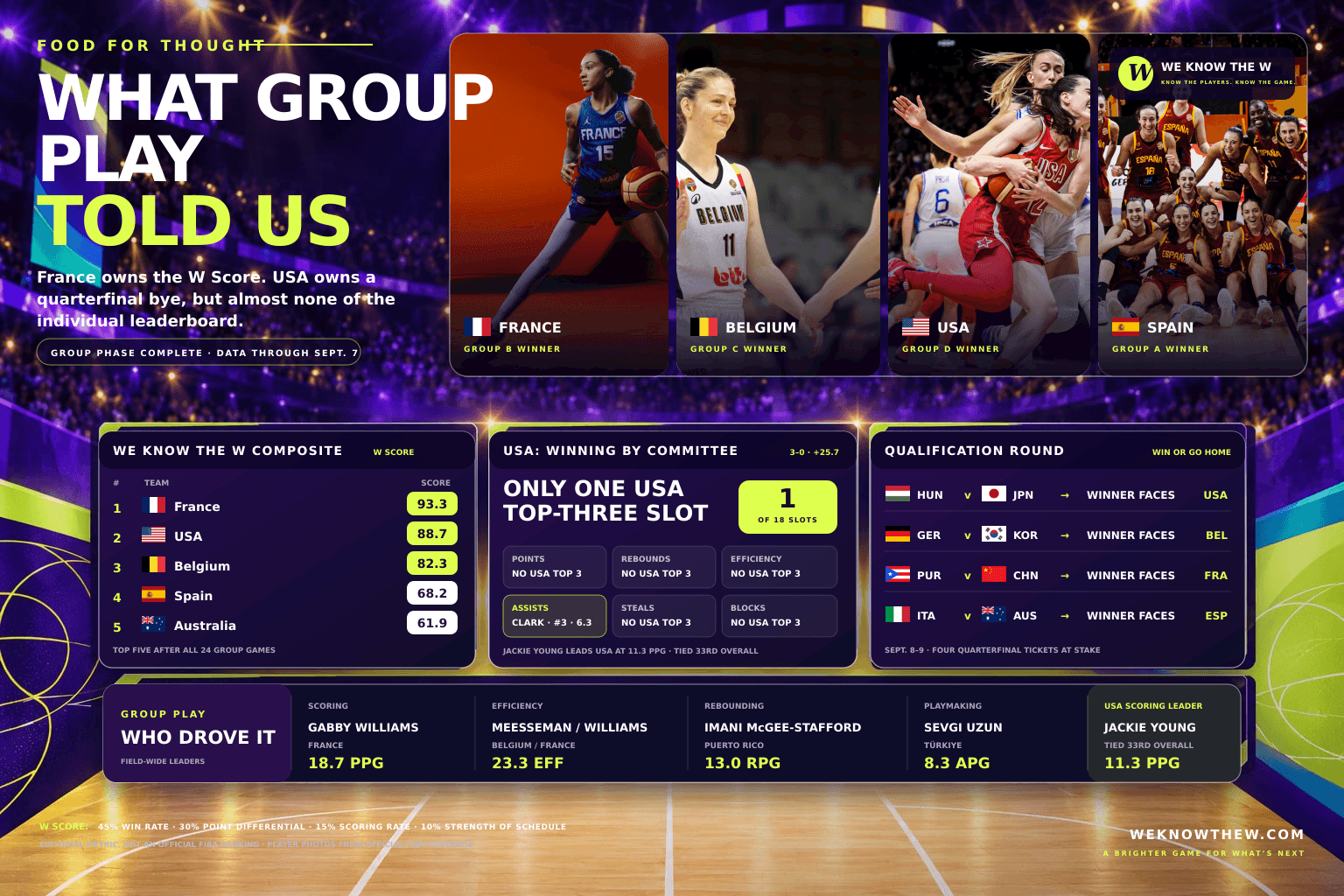
Four group winners. Four very different résumés.
Group play did more than seed a bracket. It showed us who can dictate a game, who can survive one, and which teams are carrying warning labels into single elimination.
France raced through Group B like it had somewhere better to be. USA looked overwhelming twice and deeply human once. Belgium controlled the tournament’s strongest top-two matchup with the patience of a team that knows exactly who it is. Spain lost to Mali, recovered, and still found the direct path to the quarterfinals.
Those four teams earned the most valuable prize in a compressed World Cup: a day without an elimination game. Rest matters, but the group phase also showed that a bye is not immunity. The qualification round contains size, shooting, veteran guards and teams with nothing left to save. Every weakness that looked manageable across three games now has forty minutes to become fatal.
France owns the cleanest résumé. USA owns the deepest roster. Belgium owns the steadiest identity. The knockout rounds will tell us which advantage travels best.
France, USA, Belgium and Spain skip the qualification round.
France leads the We Know the W composite after group play.
Caitlin Clark is third in assists. That is USA’s only top-three entry across six headline categories.
WE KNOW THE W COMPOSITE
France did not just win. France separated.
The W Score blends win rate, point differential, scoring rate and strength of schedule. It is an editorial performance measure, not an official FIBA ranking.
RankTeamRecordPoint Diff.W Score
1🇫🇷 France3–0+12793.3
2🇺🇸 USA3–0+7788.7
3🇧🇪 Belgium3–0+3882.3
4🇪🇸 Spain2–1+4168.2
5🇦🇺 Australia2–1+2061.9
45% win rate30% point differential per game15% scoring rate10% strength of scheduleScores recalculate only from completed World Cup games.
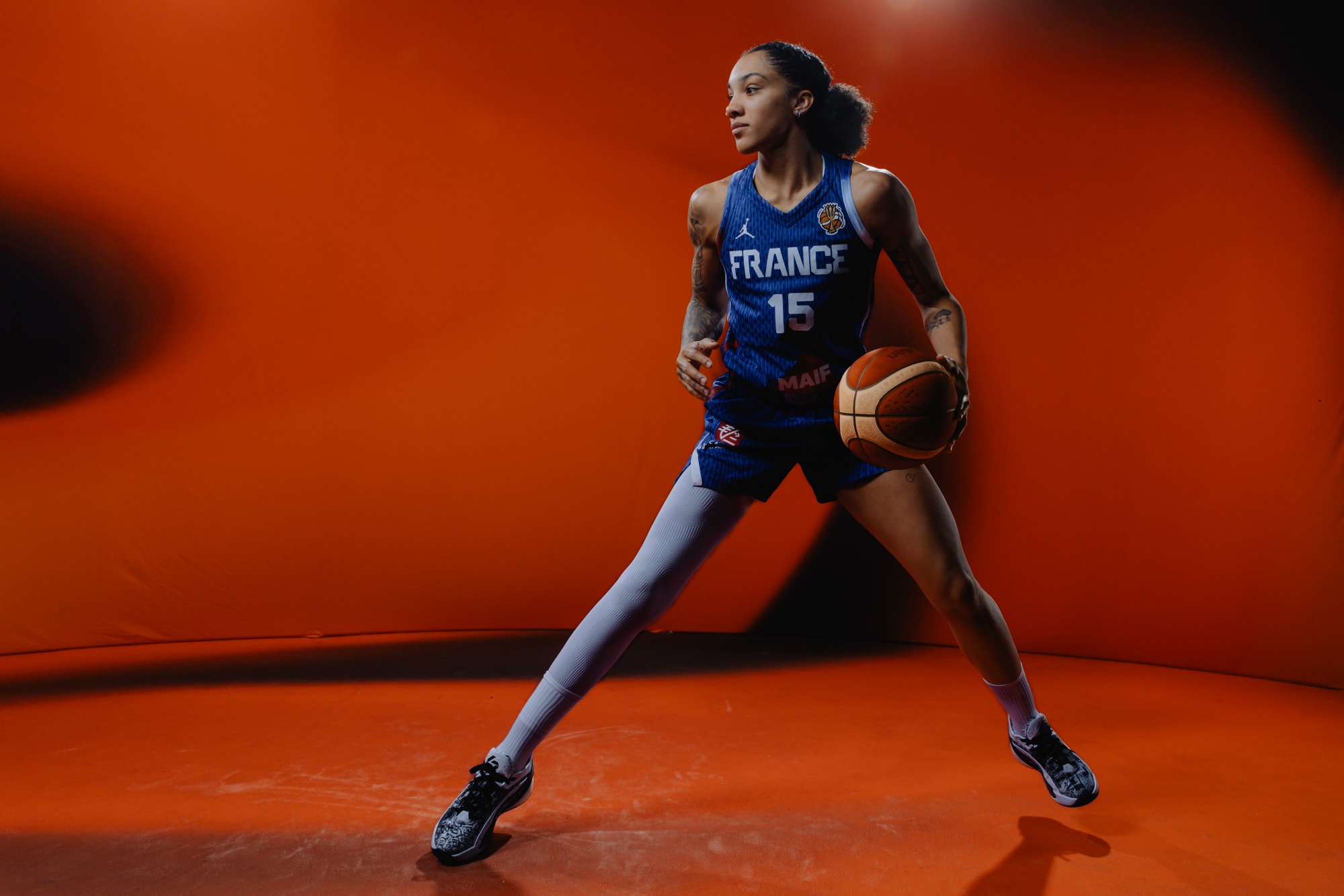
France scored 305 points and allowed 178, an average margin of 42.3 points. The final group game was not a coast to the finish. France hit a Women’s World Cup record 22 three-pointers against Nigeria, scored 65 points in the first half and finished group play averaging 101.7 points.
USA’s 88.7 is still elite, but the route was less linear. The Americans opened with a 33-point win over China, escaped Italy 55–52, then answered with a 105–64 win over Czechia. The composite rewards the ceiling and remembers the wobble. That is exactly what a knockout preview should do.
THE USA PARADOX
First in depth. Barely on the leaderboards.
USA is not failing to produce stars. It is distributing star-level responsibility so widely that the individual tables barely notice.
THE NUMBER THAT JUMPS OFF THE BOARDJackie Young leads USA at 11.3 PPG.
That places the team’s leading scorer in a tie for 33rd on FIBA’s group-phase scoring table.
Across the six headline leaderboards on the We Know the W FIBA board, efficiency, points, rebounds, assists, steals and blocks, there are eighteen top-three slots. USA occupies one. Caitlin Clark is third in assists at 6.3 per game. No American is top three in the other five categories.
EfficiencyNo USA player in top three
PointsNo USA player in top three
ReboundsNo USA player in top three
AssistsCaitlin Clark, third at 6.3 APG
StealsNo USA player in top three
BlocksNo USA player in top three
That sounds alarming until you look at the rotation. Twelve players share minutes. USA’s group games included two blowouts. Jackie Young, Breanna Stewart and Paige Bueckers are separated by one point per game at the top of the team scoring table. The ball does not need one address.
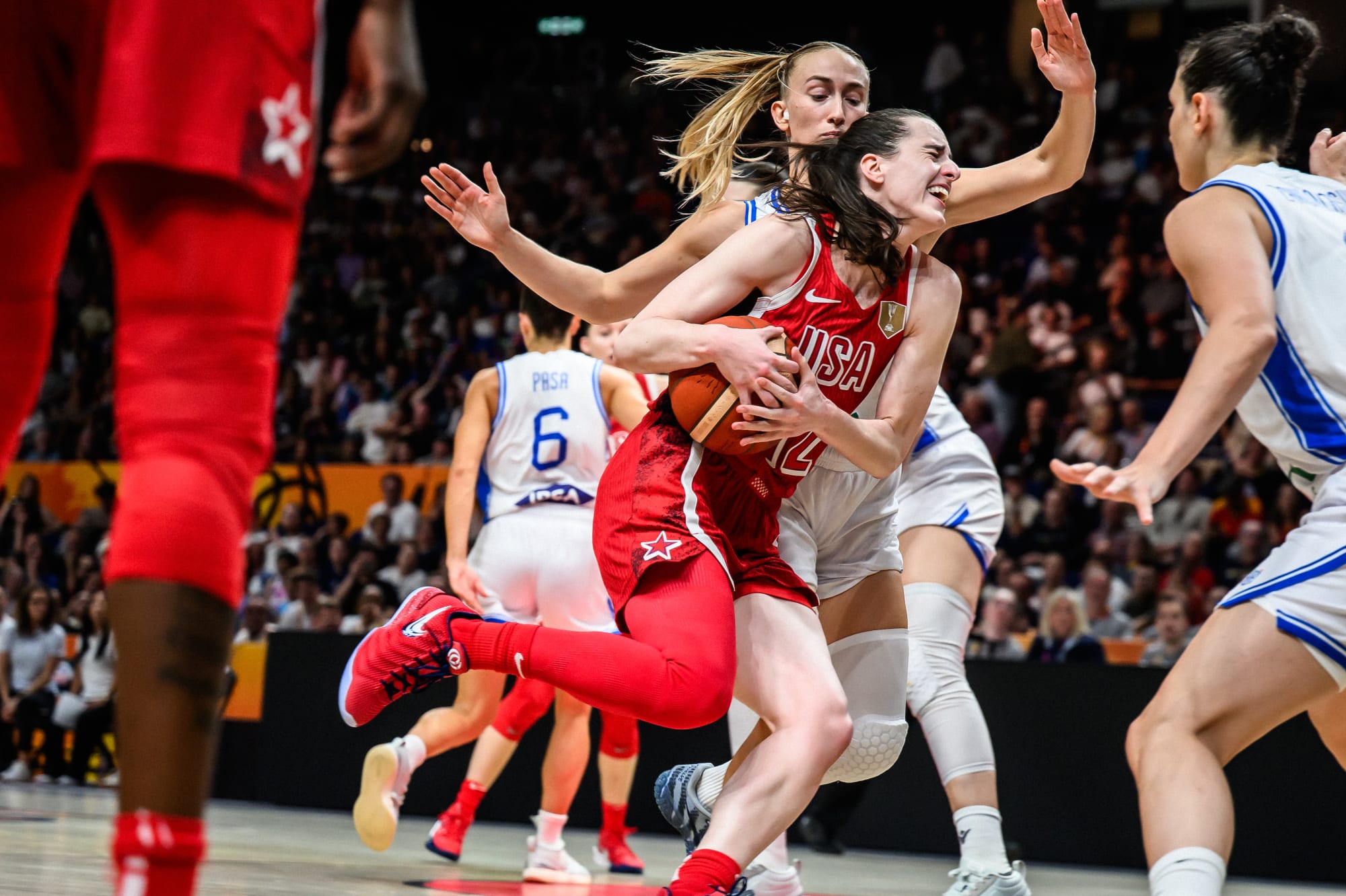
The Italy game is why this still matters. When pace disappeared and every possession became a half-court negotiation, USA missed its first ten three-point attempts. Young was the only American in double figures, with ten. Depth can win a tournament, but a close knockout game eventually asks a specific question: who creates the clean shot when the committee meeting is over?
The answer may be Stewart’s versatility, Young’s strength, Bueckers’ touch, Clark’s passing gravity or Chelsea Gray’s control. USA does not need one scorer to climb the leaderboard. It does need the closing hierarchy to be obvious before the final two minutes arrive.
WHAT EACH GROUP WINNER PROVED
The records match. The evidence does not.
Three teams finished 3–0. Spain finished 2–1. Each earned the same direct quarterfinal ticket, but the group phase gave us four different confidence levels.
🇫🇷 GROUP B 93.3
France looks like the standard.
Three wins, a plus-127 margin, tournament-record shooting and two perimeter creators in Williams and Marine Johannès who can bend a defense without stopping the ball. France has made the strongest case for favorite status so far.
🇺🇸 GROUP D 88.7
USA showed both ends of its range.
The best version overwhelms teams with waves of talent. The vulnerable version can be slowed by disciplined switching, crowded driving lanes and a cold perimeter. The response against Czechia mattered, but the Italy film will travel.
🇧🇪 GROUP C 82.3
Belgium’s identity is already installed.
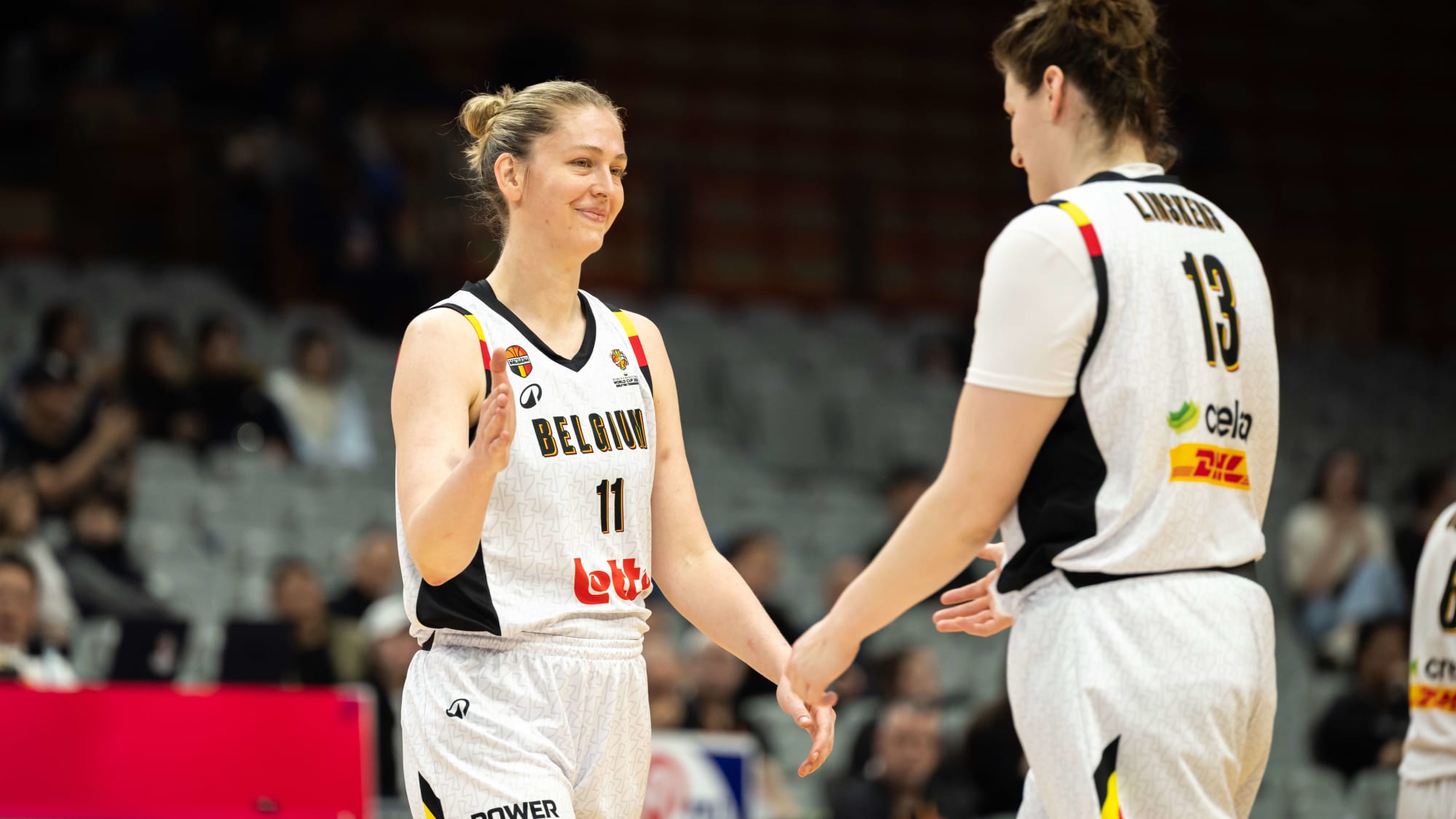
Emma Meesseman remains the organizing force, Julie Allemand keeps the offense on time, and Belgium’s 80–68 win over Australia secured first place without requiring chaos. This is a team built for connected possessions.
🇪🇸 GROUP A 68.2
Spain survived, but the warning remains.
Mali’s 82–73 upset exposed Spain’s floor. Wins over Germany and Japan secured first place through the group tiebreak, yet the next opponent will be either the team that nearly beat USA or a perennial medal threat.
THE ROAD TO THE QUARTERFINALS
Four tickets. No soft entrances.
Second and third place teams cross over with the neighboring group. Every qualification game is single elimination, and every winner already knows which group champion is waiting.
🇭🇺 HungaryVS🇯🇵 Japan
Dorka Juhász gives Hungary the tournament’s second-best rebounding average. Japan counters with speed, bench scoring and the kind of three-point volume that can turn one game sideways.
WINNER FACES USA🇩🇪 GermanyVS🇰🇷 Korea
Germany brings size, a 47.3 rebound average and a home crowd. Korea brings 43.4 percent three-point shooting and 24 points per game off turnovers. The style collision is the game.
WINNER FACES BELGIUM🇵🇷 Puerto RicoVS🇨🇳 China
Puerto Rico owns the group-phase leaders in rebounding and steals. China has Xu Han, two straight wins and the size to make every miss expensive. France gets the survivor.
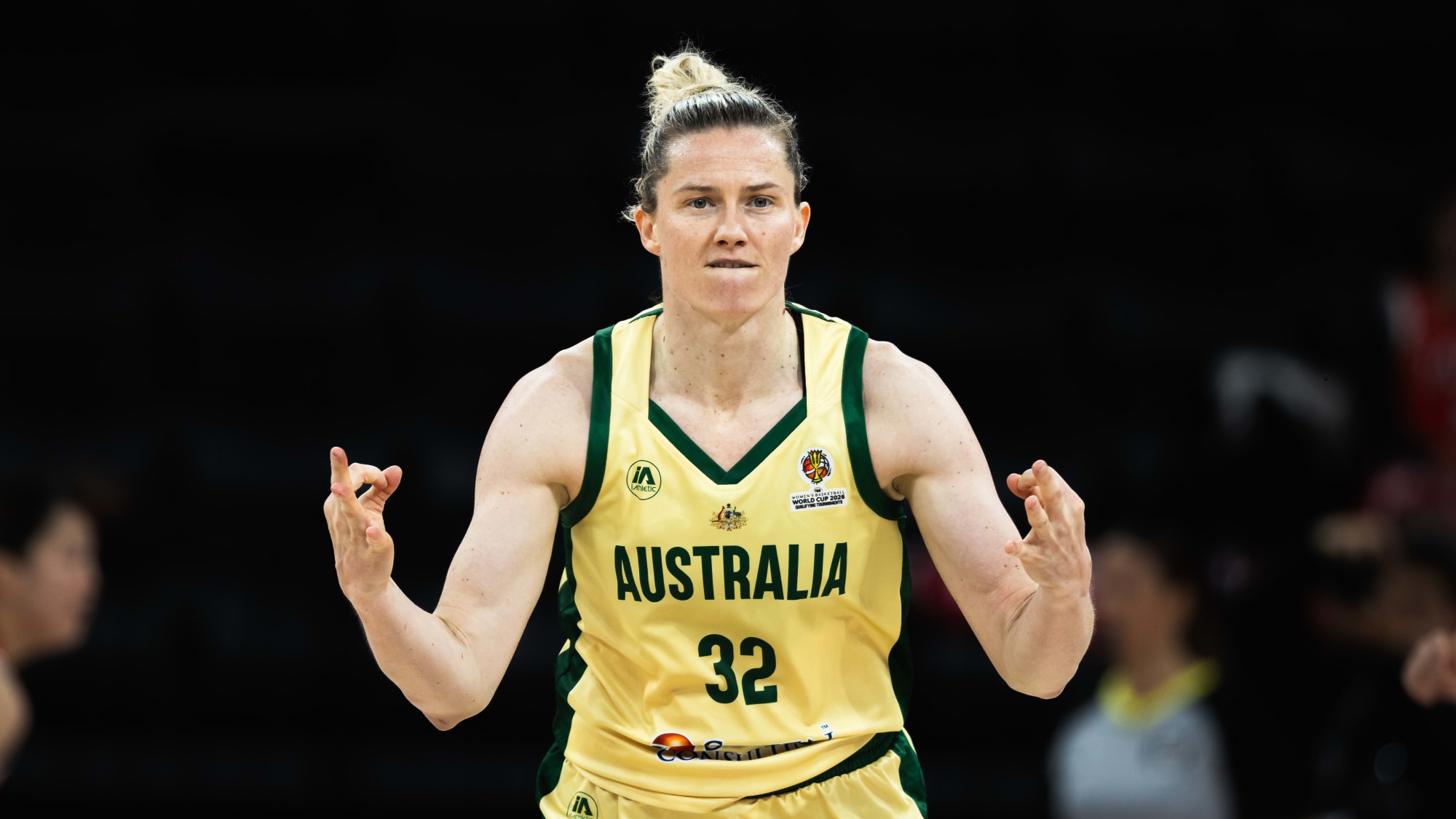
WINNER FACES FRANCE🇮🇹 ItalyVS🇦🇺 Australia
Italy already proved it can drag an elite offense into the mud. Australia has experience, length and Ezi Magbegor. This feels like a quarterfinal that happens one round early.
WINNER FACES SPAIN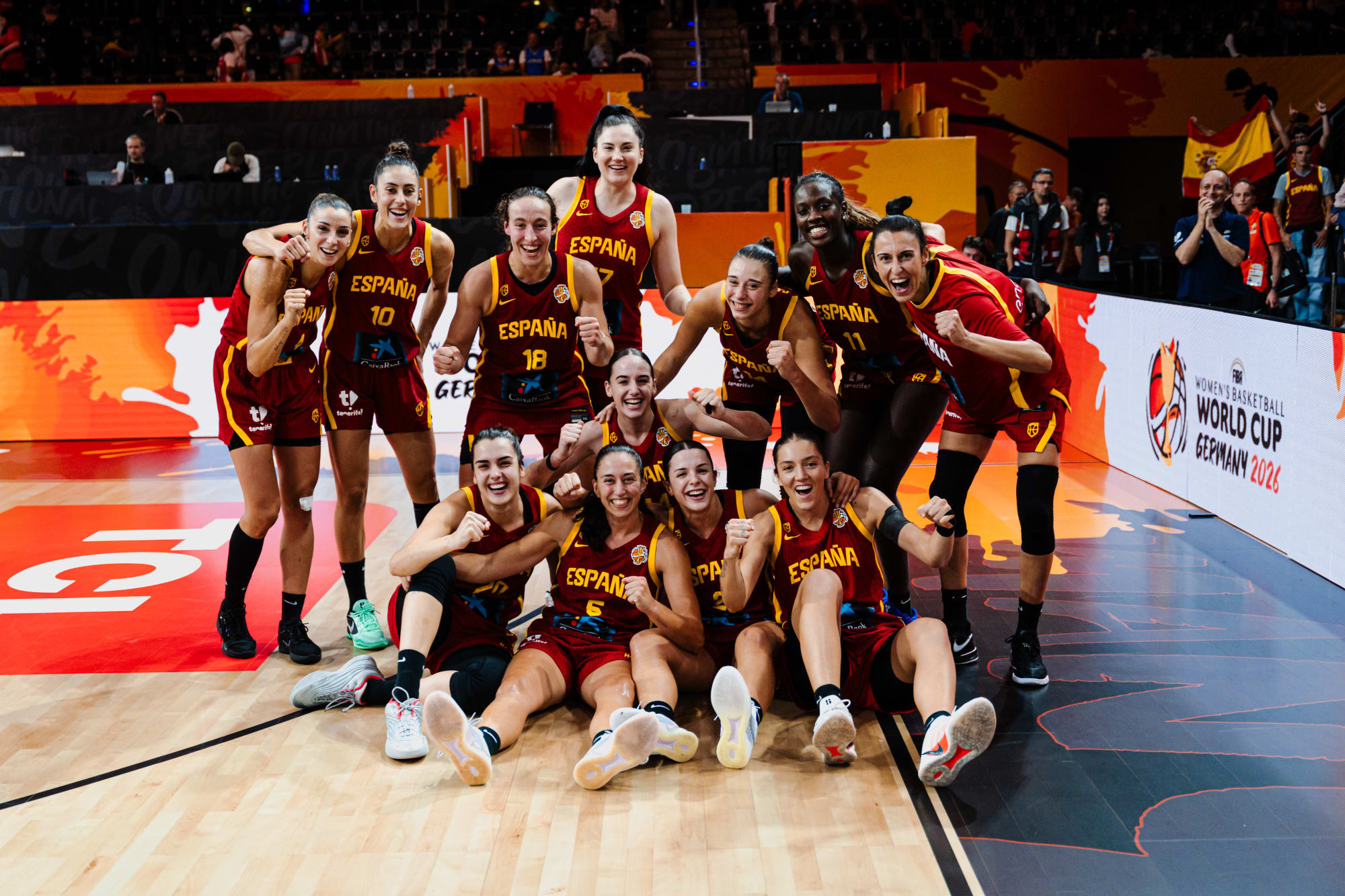
Shooting variance gets louder.
France made 22 threes in one game. Italy held USA to one make through its first eleven attempts. In a series, percentages can normalize. Here, the horn sounds first.
Rebounding travels.
Juhász, McGee-Stafford, Xu Han and Magbegor can create extra possessions without a play call. That is the most portable advantage in the qualification field.
Late-game clarity becomes currency.
Blowout depth is a luxury. Close-game organization is survival. The teams that already know their final-five roles have an edge when the score gets tight.
SHAK’S KNOCKOUT READ
France is 1A. USA is 1B. Belgium is not far behind.
France leaves group play with the best full résumé, the highest W Score and the hottest offense. USA remains the deepest team and the defending champion, but Italy supplied a blueprint for making that depth uncomfortable. Belgium has the clearest identity of the next tier. Spain owns the direct ticket, while the Italy versus Australia survivor may arrive with the sharper edge. The gap is real, but this bracket is not ceremonial.
The most important USA statistic may be the absence of one. No runaway scorer means opponents cannot simply remove one option. It also means the Americans must identify the right option faster when a game slows down. If that decision becomes clean, USA’s low individual rankings will look like proof of abundance. If it stays uncertain, France and Belgium have enough continuity to turn a balanced roster into a complicated problem.
Group play told us who earned rest. The next five days will tell us who earned trust.
THE RECEIPTS
Scores, leaders, bracket and photo sources.
The FIBA dashboard remains the live layer. This article freezes the group-phase picture at the end of September 7 so the analysis does not move underneath the reader.
We Know the W live FIBA dashboardStandings, W Score, stat leaders, games and Team USA player statistics.
Official FIBA statisticsPlayer and team leaderboards through the World Cup.
Official Final Phase pairingsQualification matchups and the quarterfinal opponent attached to each winner.
France’s record-breaking group finaleTwenty-two made threes and Gabby Williams’ French record.
Italy’s 55–52 USA scareUSA’s lowest World Cup total since the three-point line arrived.
September 8 qualification previewMatchup stats for Hungary versus Japan and Germany versus Korea.